

Al Sakhir: Mahmood Rafique, Editor: As the global fintech sector is swiftly embarking on surprising new chapter. Where the focus was on speed, scale and transformation, the year 2025 has ushered in a major shift towards maturity—defined by embedded infrastructure, strategic capital, and policy alignment. The question is no longer how fast fintech can grow, but how well it can integrate—into real economies, regulatory frameworks, and everyday lives.
The two-day Fintech Forward 2025, which opened at Exhibition World Bahrain took off in a style with huge participation of top government officials, leading banks and financial institutions and regulators who shed light on the latest developments in fintech and how the region is embracing this challenge. The interactive sessions designed to move the conversation from “what is next to “what works It is a historic shift from radical transformation to lasting integration.
Around the world, venture capital has cooled, regulatory scrutiny has sharpened, and financial infrastructure has globalized. Embedded finance, AI-powered compliance and novel digital-identity systems are emerging as the sector’s new foundations. Moreover, fintechs are turning into sovereign investors, telecom operators and traditional banks for sustainable growth—embracing bureaucracy, not blitzscaling.
In the Middle East, a parallel but distinct evolution is unfolding. Bahrain, the UAE and Saudi Arabia are becoming not just fintech adopters, but rule makers—experimenting with regulatory sandboxes, digital currencies and cross-border payment systems. Fintech is increasingly viewed as a nation-building tool, deeply tied to economic diversification, regional integration and talent strategy.
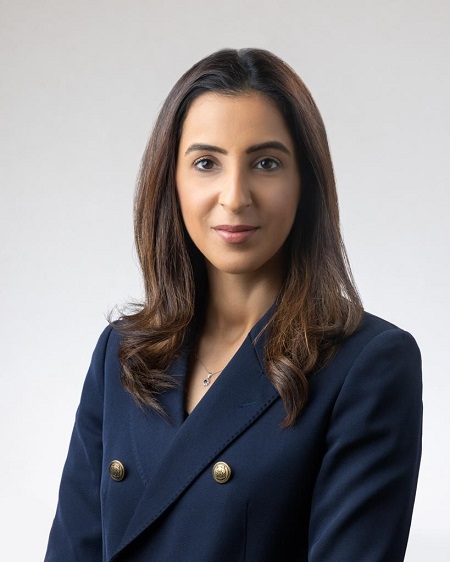
H.E. Noor bint Ali Alkhulaif, Minister of Sustainable Development, Chief Executive of Bahrain EDB, during a debate led by Joshua Roberts, Capital markets editor, The Economist, titled “finance with purpose: diversification and sustainable growth” encompassed in the backdrop of financial services evolve, banks, insurers, asset managers and others face critical choices on how to adapt and innovate. Resilience, trust and long-term impact are now just as critical for growth as size and speed. How can the Gulf’s financial ecosystem offer a model for diverse, innovative-driven financial growth?
How can closer collaboration between the public and private sectors unlock new value chains, increase financial inclusion and build more resilient economies? From Islamic finance to open banking, how are consumer preferences shaping financial services? And what role can fintech play in aligning national development goals with private-sector innovation?
In other session, H.E. Khalid Humaidan, Governor, Central Bank of Bahrain, titled “finance redefined: regulation in a digital age” as the global financial sector undergoes profound shifts, from the rise of stablecoins and tokenized deposits to geopolitical fractures in cross-border payment systems, central banks find themselves walking a regulatory tightrope: enabling innovation while safeguarding stability.
In this one-on-one conversation, the Central Bank of Bahrain’ governor reflects on the country’s evolving regulatory agenda amid growing interest in digital assets, embedded finance and cross-border interoperability.
