

Riyadh, KSA: Ansarada, the AI virtual data room educated on 60,000+ transactions, has released its latest Middle East M&A Market Analysis Q1 2026 report, finding that Saudi Arabia’s mergers and acquisitions (M&A) market continues to demonstrate resilience, retaining long-term investor confidence despite ongoing geopolitical uncertainty across the region.
According to the report, the Middle East recorded sustained M&A activity in Q1 2026, with 196 announced deals valued at a combined US$23.3 billion, compared to 207 deals worth US$31.3 billion during the same period in 2025.
Saudi Arabia accounted for 24 deals valued at US$689 million during the quarter, up from 23 deals in Q1 2025, representing a 4% increase in deal volume.
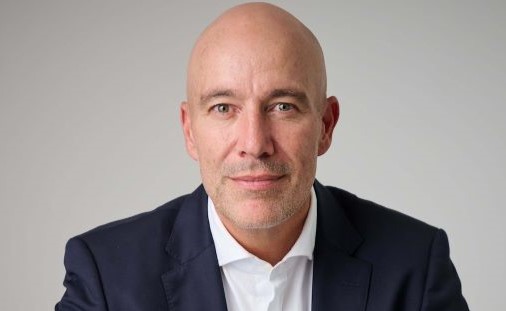
“The conflict may be reshaping deal timelines, but it’s not reshaping the region’s thirst for ongoing M&A activity. We remain confident in the long-term health of deal activity in Saudi Arabia, which we view as an enduring and critical hub for M&A in the region and beyond,” said Justin Smith, Managing Director, Ansarada.
“While volatility continues, there’s a lot of dry powder out there waiting for the right time, while deals already in motion continue to progress with more rigorous diligence. The fundamental strategic drivers for M&A in Saudi Arabia remain strong, and dealmakers have to become more accustomed to operating in a new normal of volatility.”
Across the broader Gulf, deal activity has also remained relatively stable. Oman recorded seven deals valued at US$535 million, while Qatar recorded four transactions and Kuwait recorded three deals worth US$24 million.
Collectively, Gulf deal flow continues to be underpinned by sovereign-backed investment strategies, national transformation agendas and long-term infrastructure priorities rather than short-term market sentiment. The GCC’s track record of economic resilience, seen particularly during COVID-19, continues to provide a strong basis for investor confidence.
While prolonged tensions may slow the pace of dealmaking over the short to medium term, they are unlikely to dent the region’s broader long-term trajectory.
The report also highlighted that sovereign wealth funds continue to act as a major stabilising force for regional dealmaking, while economic reform programmes and diversification agendas are sustaining cross-border investment momentum. It further noted that Middle Eastern acquirers continue pursuing international partnerships and outbound acquisitions, reflecting sustained confidence in the region’s capital strength, strategic positioning and long-term growth outlook.
Sector performance across the Middle East remained robust during the quarter. Technology emerged as the leading sector by volume with 68 deals worth US$7.3 billion, driven by continued investment into AI, fintech and enterprise technology.
Transportation led by value with US$8.2 billion across nine transactions, highlighting sustained investment into strategic infrastructure. Energy and natural resources contributed US$2.2 billion across 18 deals, while healthcare recorded US$1.9 billion across 19 transactions as governments continue expanding medical and life sciences capabilities. Industrials generated US$1.6 billion across 23 deals, driven by national ambitions to strengthen domestic manufacturing and industrial capacity.
Smith also noted that technology is becoming increasingly critical as buyers and investors seek greater transparency and faster access to information in uncertain market conditions. “Periods of uncertainty place enormous pressure on execution certainty. Companies and investors require real-time visibility into risk, compliance and diligence readiness. Virtual data room platforms such as Ansarada are helping dealmakers manage complexity, maintain momentum and execute transactions with greater confidence and efficiency.”
